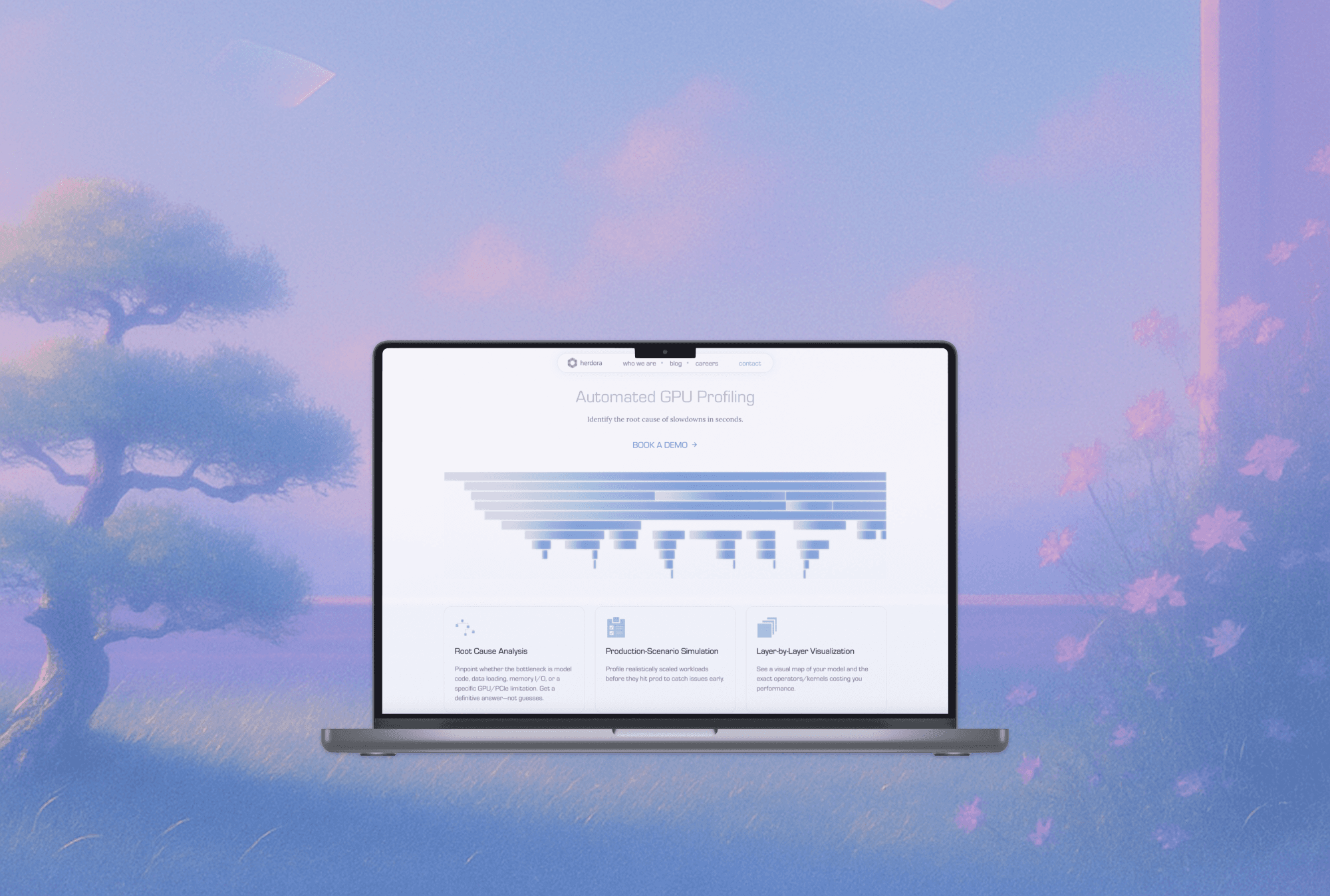
THE PROBLEM
Herdora needed a website that signaled high-quality service to investors without revealing details of an evolving product.
As an early-stage YC startup engaging potential clients and investors, the challenge was to communicate vision and trust while preserving flexibility for future pivots. How can visual identity and interaction design establish confidence without over-specifying the product?
Discovery & Research
UNDERSTANDING THE BRIEF
I started by interviewing the CEO to understand the business context. Key questions included: Who is the target audience? What's the ultimate goal of the website? What message should the brand communicate?
Audience
Investors and enterprise clients evaluating technical credibility
Goal
A website ready for live investor conversations before Demo Day
Brand attributes
Insanely fast, credible, optimistic, backed by engineers who deeply understand CUDA and infrastructure
The Core Tension
How do you project credibility when the product is still evolving?
COMPETITIVE ANALYSIS
I sat with the CEO to review three categories of websites:
YC batch peers to understand how much information to reveal without limiting future product direction
Inference/infrastructure companies (Modal, Baseten, Chroma) to see how technical products communicate value to non-technical buyers
Design-forward AI startups (Vercel, Anduril, Linear) to identify visual patterns that signal quality and ambition
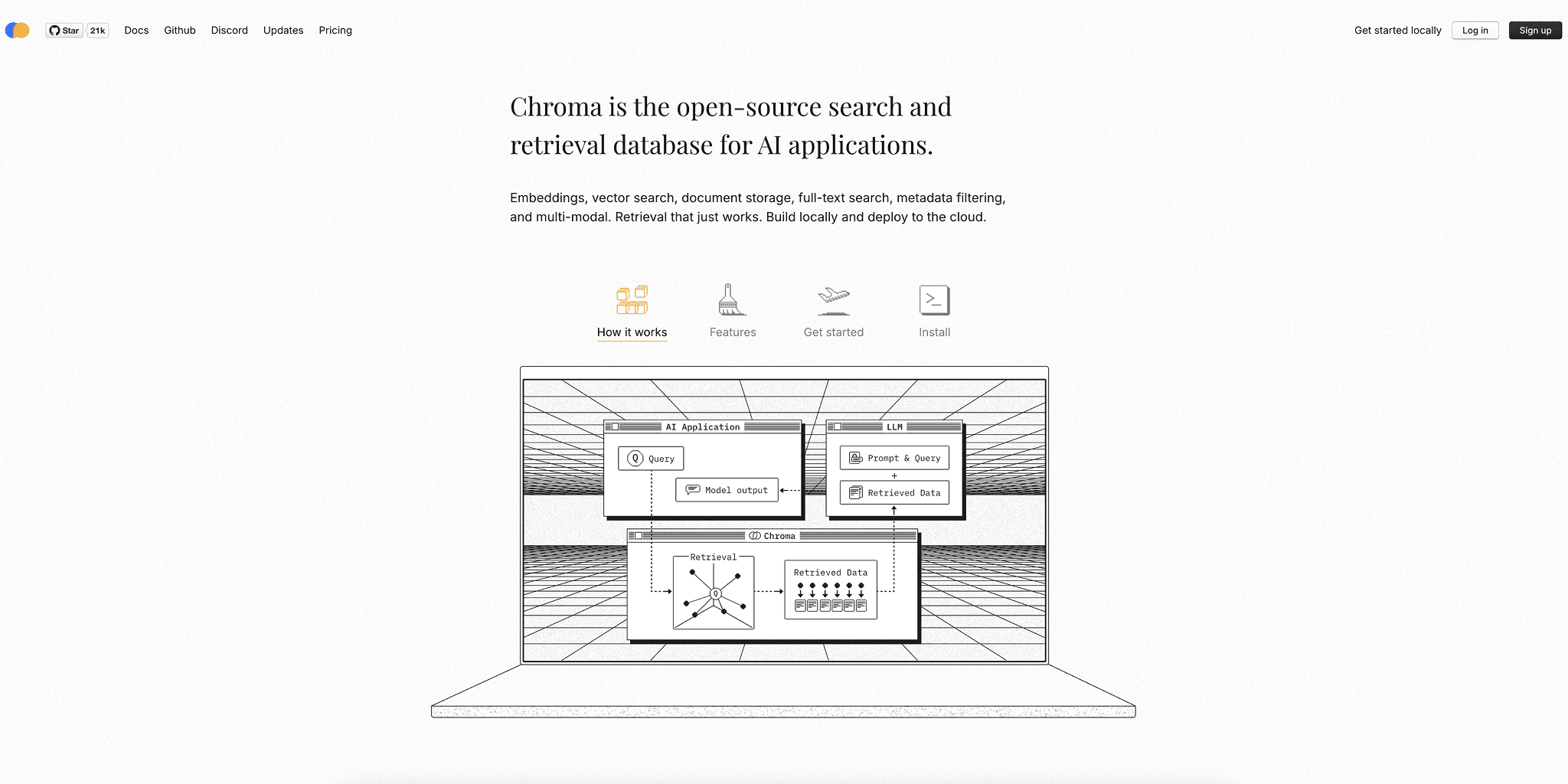
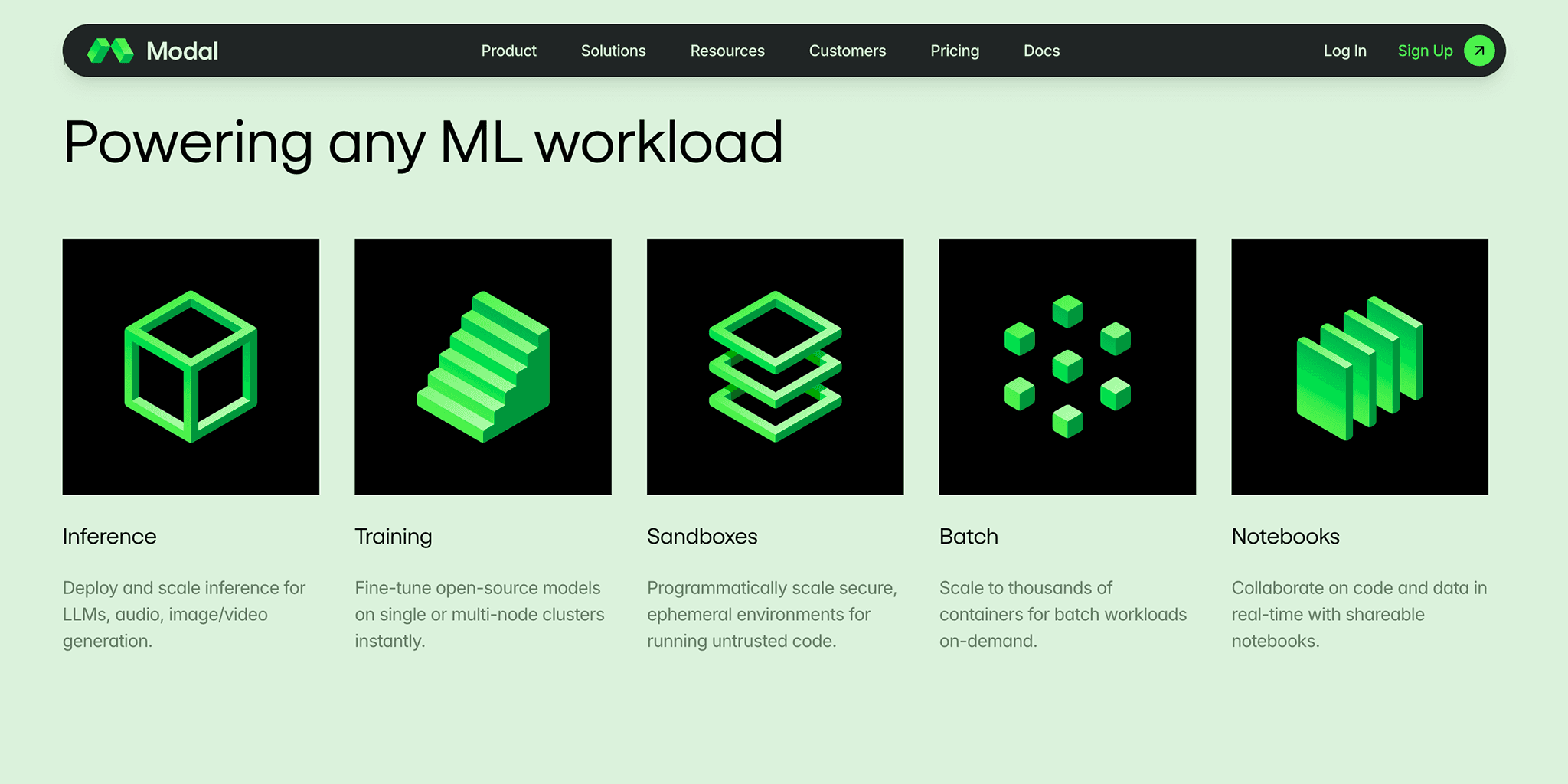
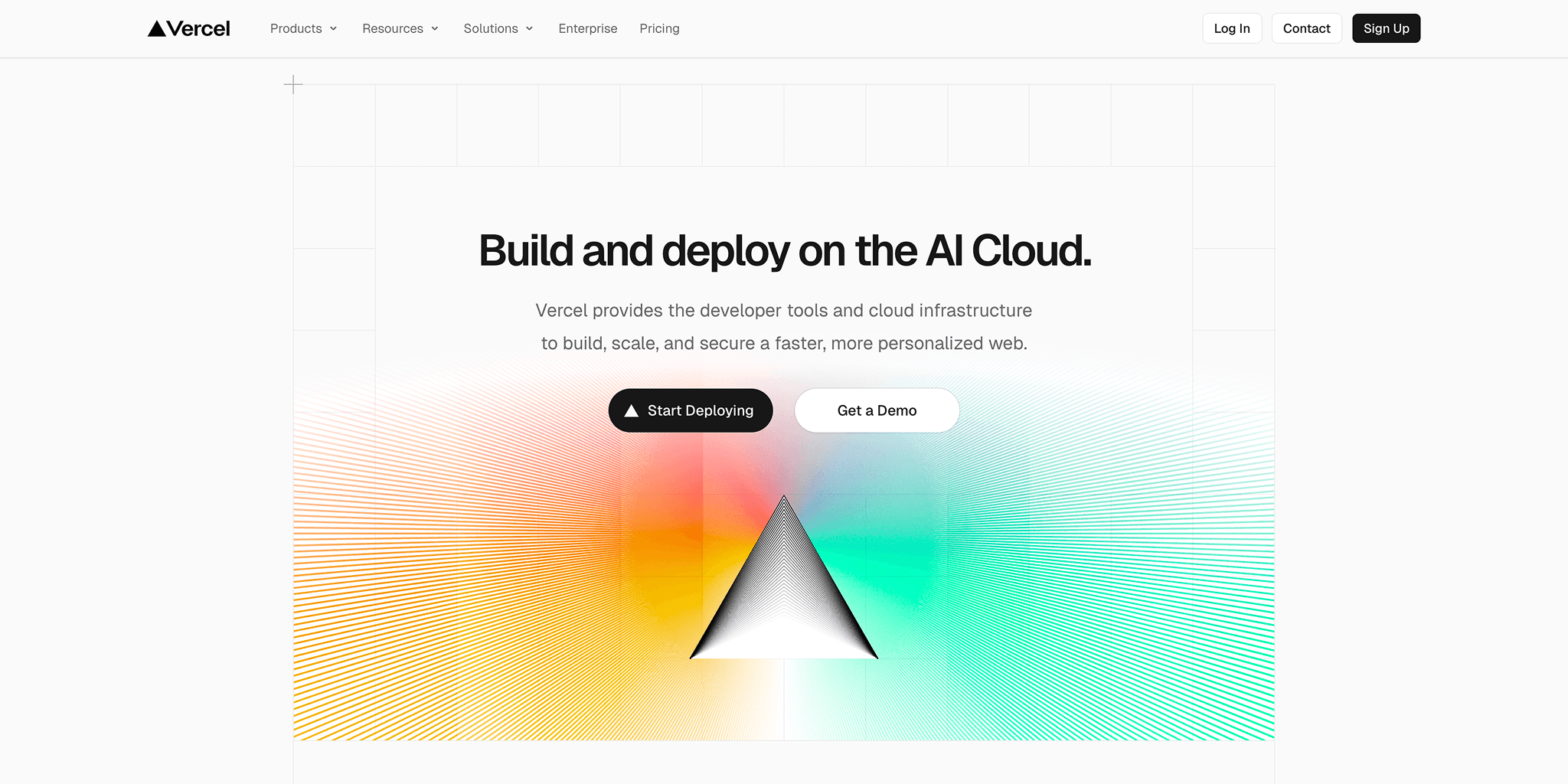
Key takeaways:
Light color palettes with blue conveyed optimism and trust.
Grainy gradient textures and subtle retro-tech aesthetics were trending.
Abstract visuals allowed flexibility without over-committing to product specifics.
Branding Discovery
MOODBOARD
I created a moodboard to align with the founders on visual direction and establish a shared foundation. We aimed for an identity that communicated technicality and confidence while remaining current within the tech startup ecosystem.

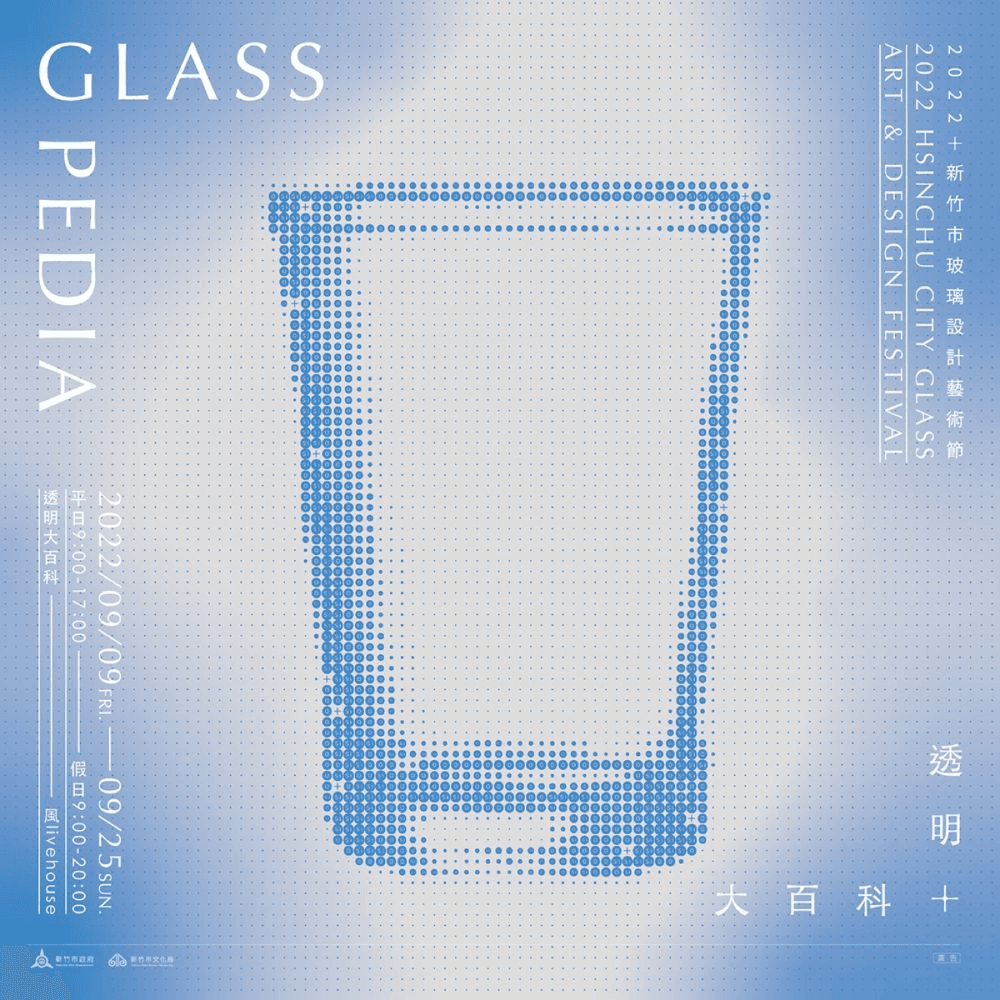


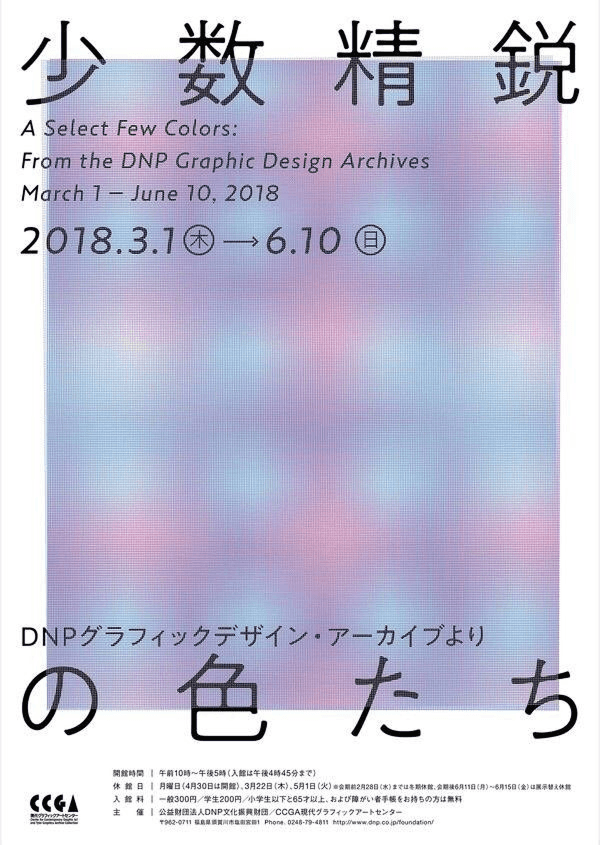
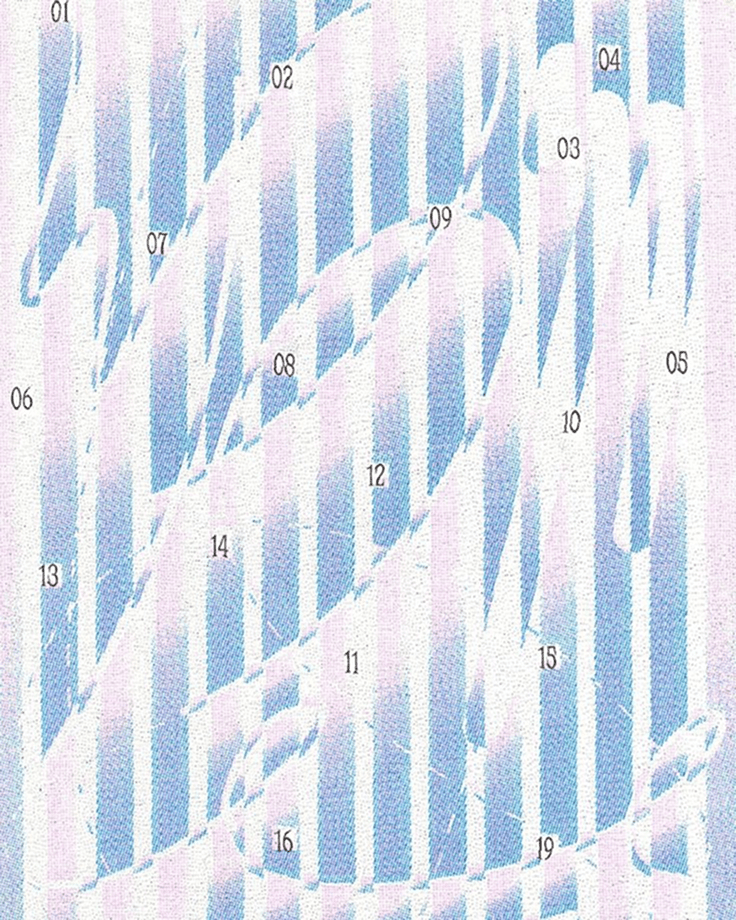
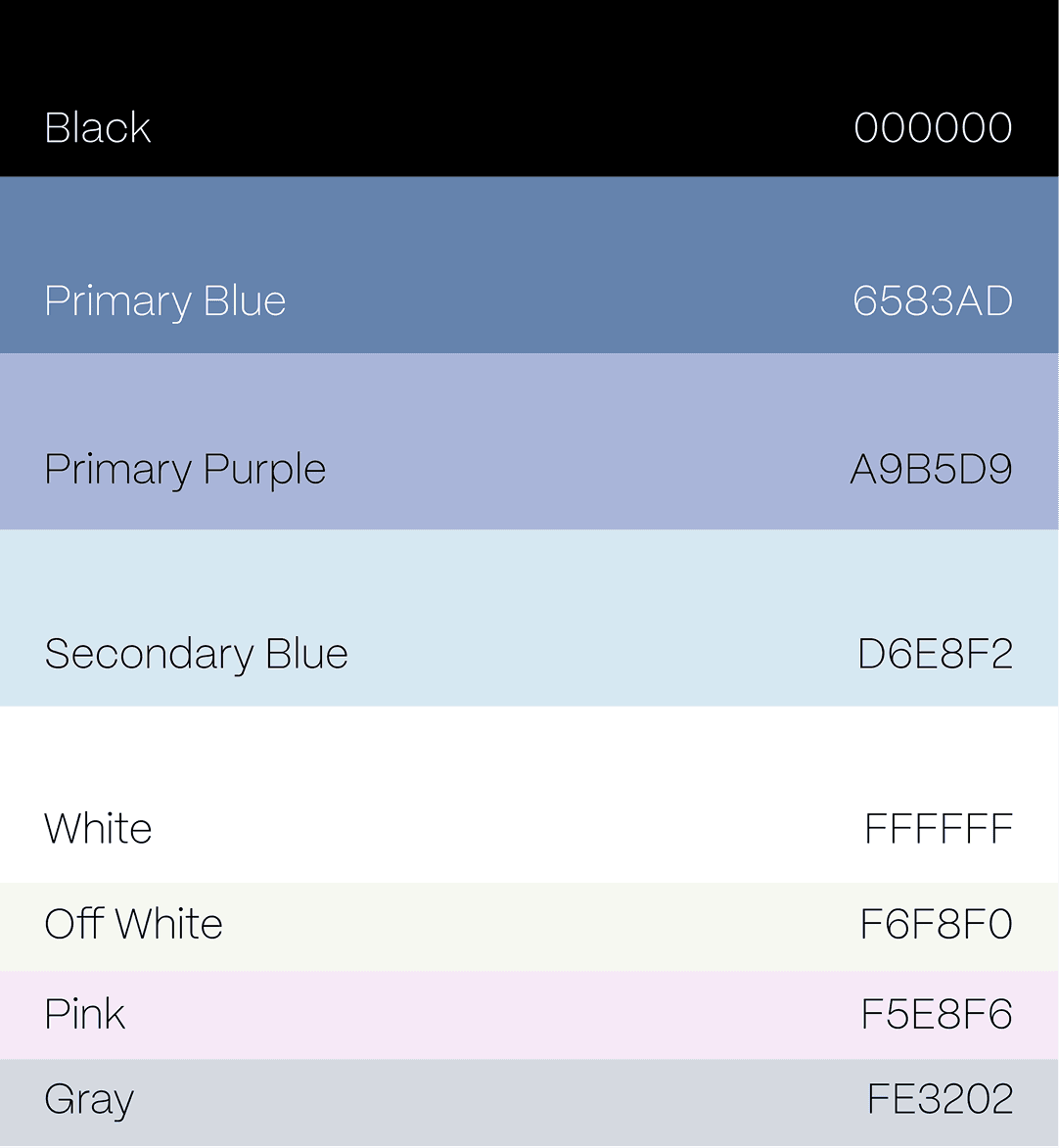
The founders wanted a light mode with blue as the primary color. I built the palette around "optimism": light, pastel tones that felt approachable but still technical. I incorporated grainy gradient textures and subtle retro-tech references, both patterns I identified during competitive research as signals of quality among current AI startups.
Branding
DIRECTIONS EXPLORED
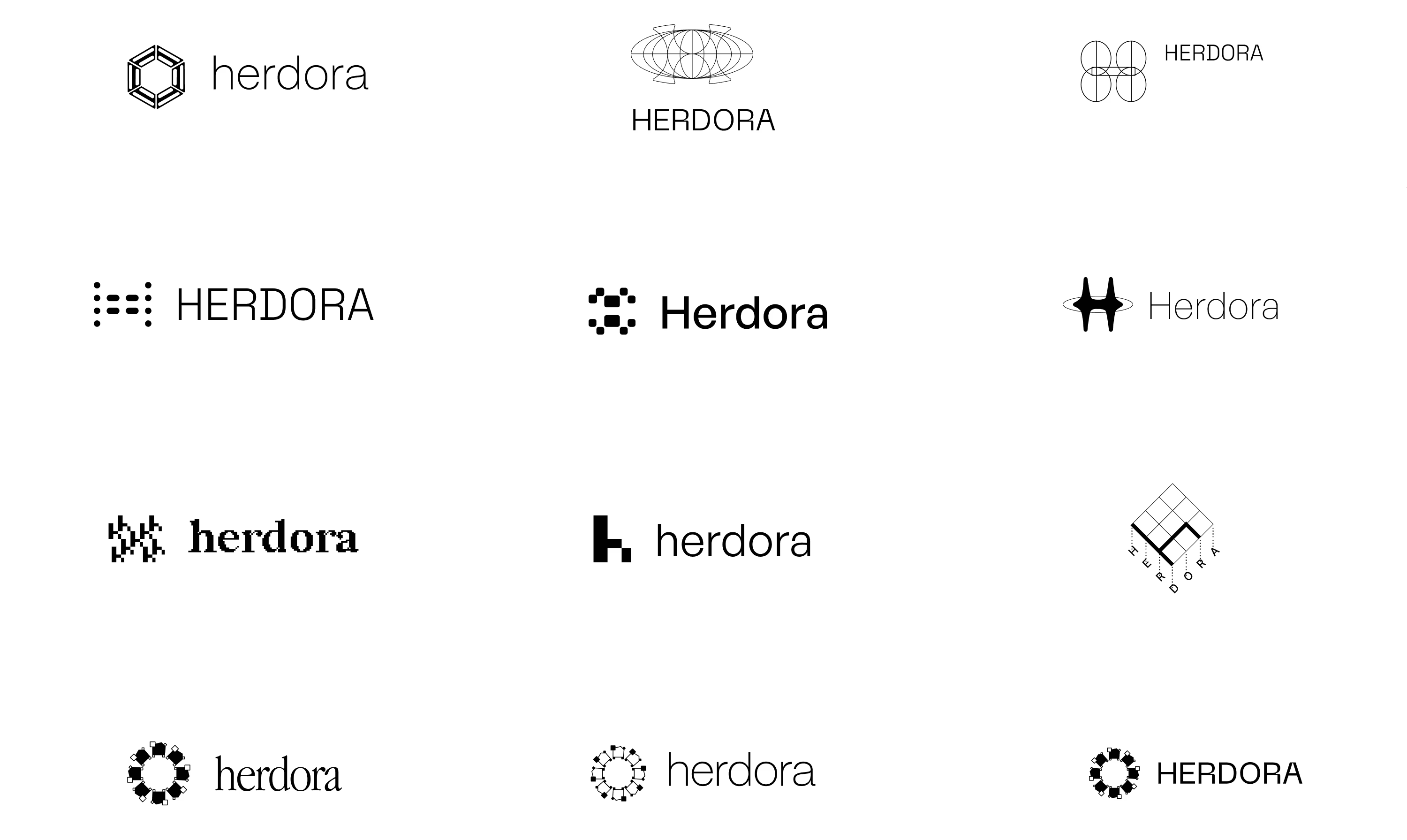
I explored a wide range of logo and type directions focusing on structure, modularity, and abstraction. Early concepts referenced systems, grids, and computational forms. I created a wide range of options for the founders to choose from.
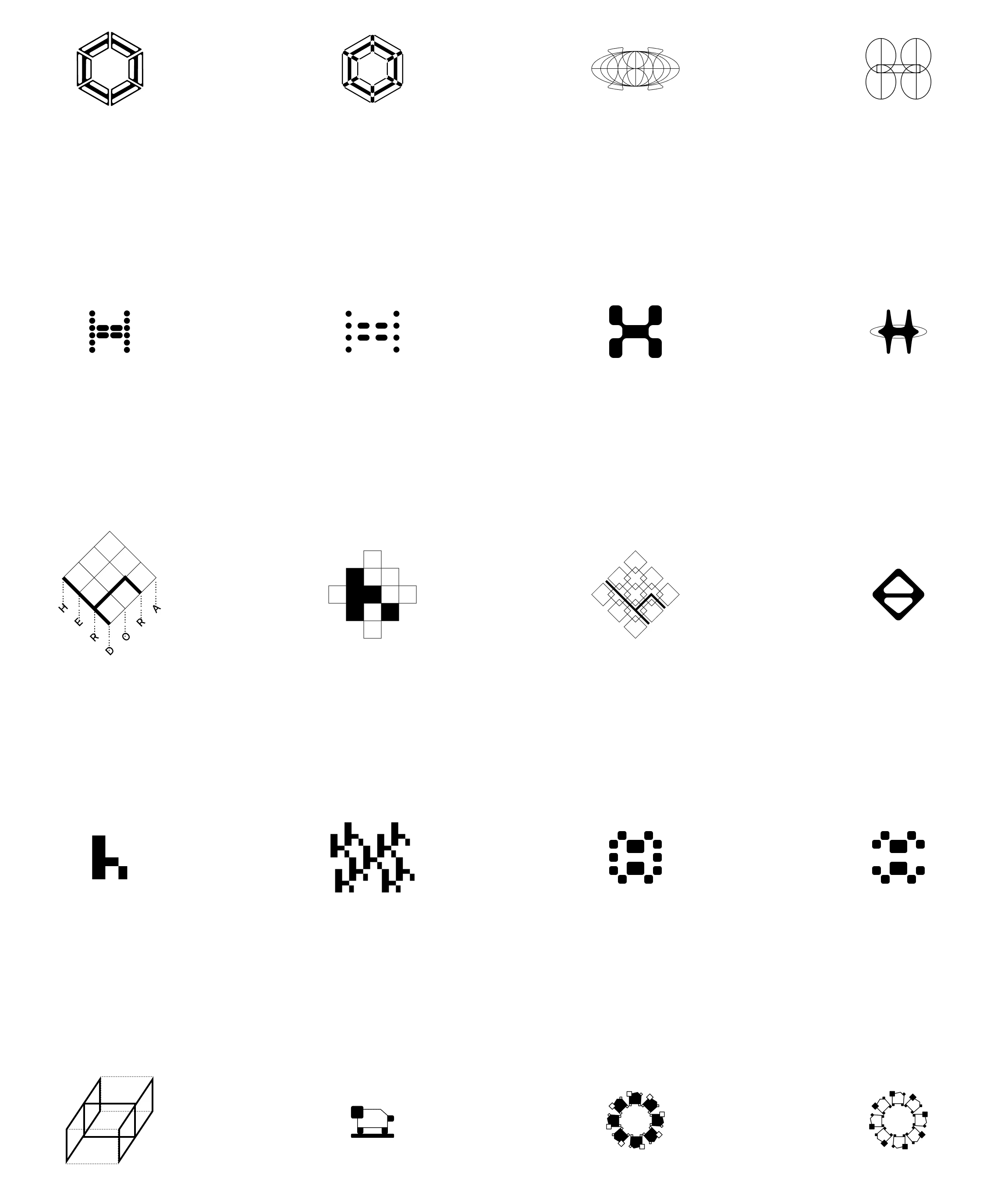
FINAL LOGO & TYPOGRAPHY
The final logo that we ended up with is an abstract, symmetrical hexagon inspired by GPUs viewed sideways, suggesting unity and an engine-like structure. This logo was chosen as it felt more conservative and trustworthy—the symmetry reads as stable and mature, sitting comfortably alongside logos like OpenAI's.
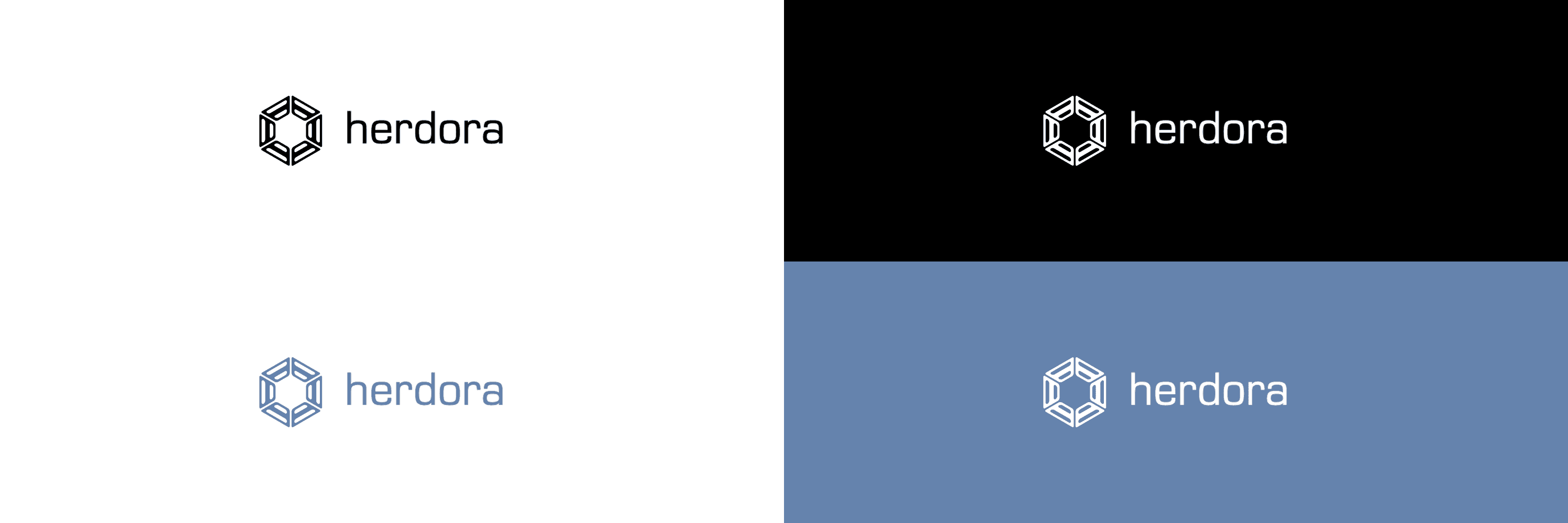
Final Logo
Design System
COLOR
TYPOGRAPHY

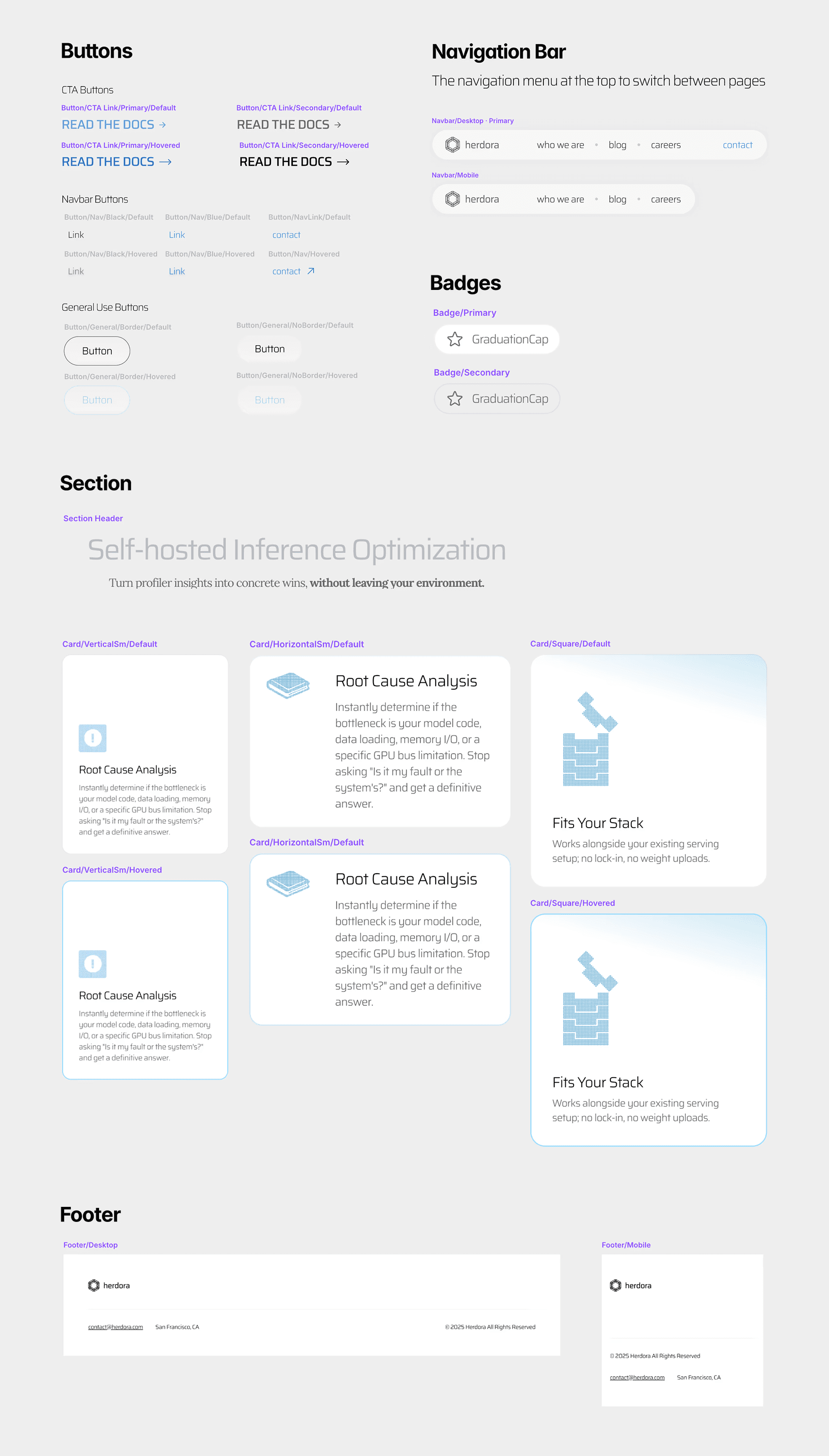
COMPONENTS
Website Design
Herdora’s website needed to serve three business goals: investors understanding the value proposition within the first scroll, enterprise visitors knowing what to do next without explanation, and the site being ready for use in live investor conversations ahead of Demo Day. To do this, I translated business constraints into design constraints.
DESIGN PRINCIPLES
1. Credible, not over-specific
Enable investor confidence without constraining future product direction.
2. Performance-forward
Treat speed and efficiency as first-class design concerns.
3. Confident, not loud
Communicate ambition through clarity and restraint, not hype.
4. Modular by default
Allow sections to evolve independently as the product matures.
5. Accessible to non-experts
Ensure non-technical investors can grasp value without prior context.
Communicating Value Without a Fixed Product
I used abstract, data-inspired visuals that suggest profiling, monitoring, and optimization without depicting a specific interface. This gave investors a sense of what Herdora feels like without committing to features that might change.
Example section: real-time performance monitoring is expressed through data-driven, abstract visualizations. The design signals continuous optimization and system-level awareness while remaining lightweight and readable.
Building a Site That Could Survive Pivots
I structured the page into modular, self-contained sections. Each section has its own visual logic and can be added, removed, or reordered without breaking the overall narrative. For example, the feature cards are organized into components that allowed image and content to be easily switched.
This modularity also extended to the visuals. Because graphics were abstract rather than literal, they didn't need to be updated every time a product detail changed. For example, the timeline visualization works whether Herdora is describing profiling, monitoring, or optimization.
Making Technical Concepts Land for Both Investors and Technical Clients
Not every investor evaluating Herdora has deep CUDA knowledge, but the site still needed to signal that the team does.
Headlines communicate outcomes, while action buttons for potential clients are also easily available.
Hero section of the website. Primary actions buttons like Docs and Book a Demo are surfaced early.
Each section introduces a single concept with a short headline, one line of explanation, and a visual. No walls of text. Investors can skim and still walk away understanding the value proposition.
Outcome
We launched the Herdora website one week before YC Demo Day 2025. The site was used in live investor meetings throughout the fundraising process.
Herdora closed a multi-million dollar seed round
Multiple investors specifically commented on the website's branding, interaction design, and visual craft
The modular structure I designed allowed the team to update messaging as their product direction evolved
Learnings
Design for change
The founders were constantly updating their product direction. This taught me that modular design systems are essential for early-stage work. I structured the site so content could be swapped without breaking layouts, and chose abstract visuals that could survive pivots without needing to be redesigned every time a product detail changed.
Abstraction as a design tool
Finding the right level of visual abstraction was harder than I expected. Too literal, and the graphics would become outdated with every product update. Too abstract, and they'd fail to communicate anything. The sweet spot was visuals that illustrated concepts (speed, optimization, system-level awareness) rather than features.
Communicate early and visually
Visual communication is just as important as verbal communication when working with clients. Early on, I brought moodboards and reference websites into meetings, which made feedback immediate and concrete—the founders could point at something and say "yes, this" or "not that" in seconds.